


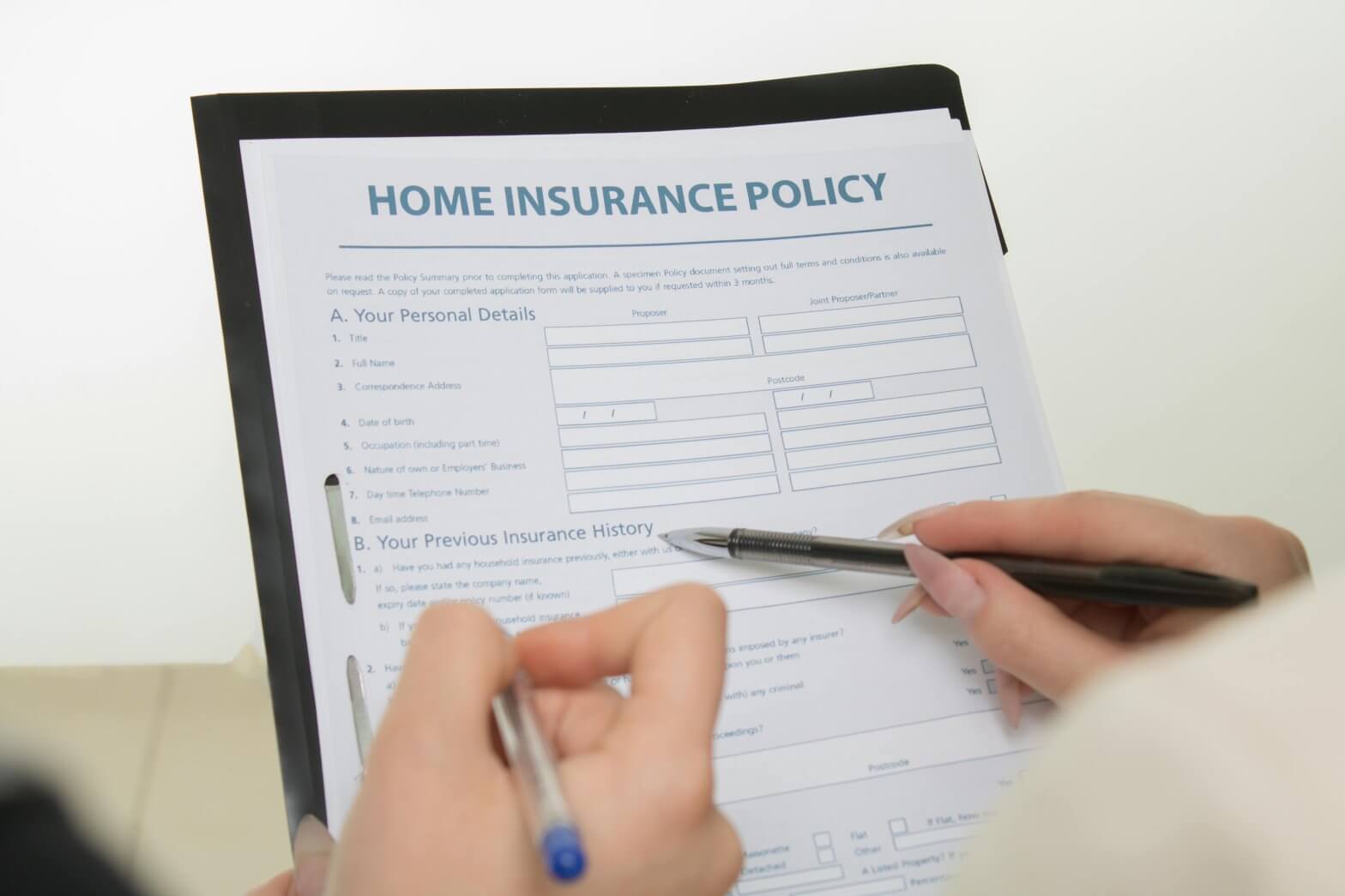
Filing a claim for roof damage requires timely action, proper documentation, and a clear understanding of your policy. This guide explains how to identify damage, report it, work with adjusters, and ensure fair compensation. Learn critical tips, from taking photos and gathering repair estimates to choosing a qualified roofing contractor. Whether you live in Westchester County or Rockland County, NY, following these steps increases your chances of a successful home insurance claim and getting your roof restored quickly.
Recognizing Roof Damage Worth Claiming
Your first step is spotting damage caused by weather events like hail, wind, or fallen branches. Look for:
- Missing or cracked shingles
- Dented gutters or flashing
- Granule loss in downspouts
- Visible leaks inside your attic or ceiling
- Damaged vents or flashing components
Record the date and conditions of the damage—this supports your home insurance claim.
Reviewing Your Insurance Policy
Understanding what your homeowner’s insurance covers is essential. Most policies will cover sudden damage but not normal wear. Check for:
- Coverage limits and deductibles
- Specified perils like hail, wind, fire, or ice damming
- Exclusions for old or improperly maintained roofs
- Clauses on depreciation or actual cash value vs. replacement cost
Knowing your coverage helps you set realistic expectations and prepare the right documentation.
Documenting Damage for Your Claim
Strong documentation gives weight to your insurance claim:
- Take high-resolution photos of all damaged areas
- Use date-stamped or geo-tagged images
- Keep weather reports or storm records as backup
- Save any interim repairs made to prevent further damage
This clear evidence accelerates the adjuster's review and reduces disputes over the cause or extent of damage.
Filing Your Roof Damage Insurance Claim
Steps to file your claim efficiently:
- Notify your insurance company immediately after damage occurs
- Provide policy number, date of incident, and brief damage description
- Submit organized documentation and supporting evidence
- Follow any instructions on forms or required inspections
Stay in regular communication with your adjuster and be honest about the circumstances.
Working with Roof Inspectors and Adjusters
An adjuster will visit to evaluate the damage. To prepare:
- Walk through the roof and interior areas with them
- Discuss damage causes without speculating
- Show your documented evidence and repair estimates
- Ask questions about their assessment and coverage determinations
If you disagree with findings, you can request a second opinion from a qualified roofer or hire a public adjuster for a review.
Choosing a Qualified Roofing Contractor
After approval, hire a reputable contractor for repairs or replacement. Look for:
- Licensed credentials and insurance coverage
- Experience handling insurance-backed repairs
- Clear written estimate and project timeline
- Use of quality materials and workmanship warranties
In Westchester County and Rockland County, it helps to work with a trusted local expert like an experienced roofing contractor in Westchester County or reliable roofing services in Rockland County. They understand local codes and insurance processes.
Handling Repair Costs and Insurance Settlement
Understanding how insurance payments work is important:
- Actual Cash Value: Your settlement takes depreciation into account.
- Replacement Cost: Covers full replacement with matching materials.
- Depreciation Holds: Some insurers withhold funds until work is complete.
- Supplemental Claims: Filing additional claims if hidden damage appears after work starts.
Keeping receipts and a record of payments helps finalize your claim smoothly.
👉 To see what is generally covered by insurance, read: Does Home Insurance Cover Roof?
Preventing Future Roof Damage
After repairs, consider maintenance to avoid future issues:
- Schedule bi-annual inspections and gutter cleaning
- Trim trees near your roof to reduce impact from falling branches
- Check and replace flashing, vents, and shingles as needed
- Install protective features like wind-resistant shingles or hail guards
Regular upkeep before major weather seasons reduces your risk and potential future claims.
Partnering with On Time Roofing for Insurance Claims
Navigating insurance claims and roof repairs can be complex under stress. At On Time Roofing, we assist homeowners with documentation, adjuster meetings, and approved repairs. Our goal is to simplify the process and restore your roof without delay.
👉 Curious if your 20‑year‑old roof is covered? Read: Will Insurance Cover a 20‑Year‑Old Roof?
FAQs About Roof Damage and Insurance Claims
1. Can I claim minor roof damage from aging?
Insurance typically does not cover wear and tear or gradual aging. Claims apply to damage from specific events like storms or falling debris.
2. How soon should I file a claim after damage occurs?
File your claim as soon as possible—ideally within days of noticing damage—to maintain record accuracy and support documentation.
3. Will my insurance increase after a roof claim?
A single claim may not raise rates, but repeat claims can affect premiums or policy renewal terms. Regular upkeep helps avoid frequent claims.
4. What if the insurance adjuster denies part of my claim?
You can request a second inspection or hire a public adjuster to reassess. Providing detailed documentation and expert estimates strengthens your case.
5. Is roof repair possible before the insurance payment?
Yes. Temporary repairs to prevent further damage are usually allowed. Permanent work should wait until your insurer issues approval or funds.
