


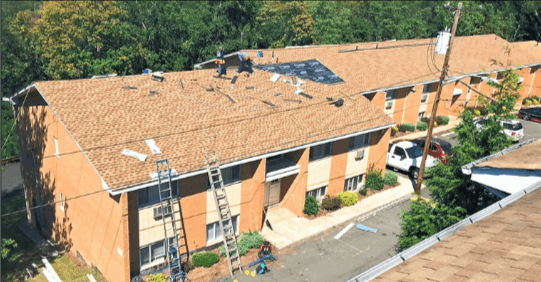
Your roof is one of the most critical components of your home, providing protection from the elements and maintaining your property's structural integrity. Over time, however, wear and tear can take a toll, and occasional repairs may become necessary. While some roof maintenance and repairs can be handled with a DIY approach, certain situations require professional expertise to ensure the job is done safely and effectively. Here's a comprehensive guide to help you decide when to take on roof repairs yourself and when it’s time to call in the pros.
Simple DIY Roof Repairs
Before embarking on any DIY roof repair project, prioritize safety. Use a sturdy ladder, wear proper footwear, and never work on your roof in bad weather. If you're comfortable with these precautions, there are a few straightforward tasks you can tackle on your own.
1. Replacing Shingles
Damaged or missing shingles are common roofing issues caused by wind, hail, or aging. Here's how to replace them:
- Tools Needed: Hammer, pry bar, utility knife, replacement shingles, and roofing nails.
- Steps:
- Gently lift the shingles above the damaged one to expose the nails.
- Remove the nails and slide the damaged shingle out.
- Position the replacement shingle and secure it with nails.
- Seal the surrounding shingles with roofing adhesive.
- Pro Tip: Match the color and style of the new shingle with your existing roof for a seamless look.
2. Cleaning Gutters
Clogged gutters can cause water to back up onto your roof, leading to leaks and water damage. Regular cleaning is essential:
- Steps:
- Use gloves and a small trowel to remove debris.
- Rinse the gutters with a garden hose to ensure water flows freely.
- Check downspouts for blockages.
- Frequency: Clean gutters at least twice a year, more frequently if you have overhanging trees.
3. Applying Roof Sealant
For small leaks or cracks, a roof sealant can be a temporary fix:
- Tools Needed: Roof sealant, caulking gun, and putty knife.
- Steps:
- Identify the leak and clean the area thoroughly.
- Apply the sealant evenly over the crack or gap.
- Smooth it out with a putty knife and allow it to dry.
- Note: Sealant is a short-term solution; plan for a professional repair if the issue persists.
When to Call a Professional
Despite your best efforts, certain roofing problems are best left to experts. Attempting complex repairs without proper skills can lead to more damage, higher costs, and safety risks.
1. Major Leaks
A large or persistent leak could indicate extensive underlying damage. Water infiltration can weaken your roof's structure and lead to mold growth. Professionals have the tools and expertise to identify the source of the leak and fix it properly.
2. Sagging Roof
A sagging roof is a serious issue that may result from structural damage, water pooling, or poor initial construction. This situation demands immediate attention from a licensed roofer to prevent potential collapse.
3. Storm Damage
Severe weather events, such as storms or hail, can wreak havoc on your roof. If you notice multiple missing shingles, large dents, or punctures, call a professional for an inspection and repair.
4. Specialized Roofing Systems
Homes with unique roofing systems like metal roofs, EPDM, or green roofs require specialized knowledge for repairs. Professionals are equipped to handle these materials without compromising their functionality or longevity.
5. Installing or Repairing Skylights
Skylights are a fantastic way to enhance natural light, but their installation or repair is complex. Improper handling can lead to leaks, energy loss, and structural issues.
Why Professional Roofers Are Worth It
While DIY repairs can save money upfront, professional roofers bring several advantages:
- Expertise: They can diagnose and fix hidden issues you might miss.
- Safety: Professionals have the equipment and training to work at heights safely.
- Efficiency: With specialized tools and techniques, they complete repairs faster and more effectively.
- Warranties: Many roofing companies offer warranties on their work, providing peace of mind.
FAQs About DIY Roof Repair
1. Can I Replace Half of My Roof?
While replacing half of your roof is technically possible, it’s not advisable. A uniform replacement ensures structural integrity, aesthetic consistency, and better longevity.
2. What’s the Quickest Way to Stop a Leak?
You can temporarily stop a leak by applying roof sealant or a waterproof tarp over the affected area. However, this is a short-term fix; schedule professional repairs as soon as possible.
3. How Urgent Is a Roof Leak?
A roof leak is very urgent. Ignoring it can lead to significant problems, such as mold growth, water damage, and structural issues.
4. Can I Repair a Soft Spot on My Roof?
Soft spots typically indicate rotted decking or insulation issues. Repairing these requires removing and replacing affected materials, a task best handled by professionals.
5. Is It Safe to Reshingle My Roof Myself?
If you have experience with roofing, reshingle small areas yourself. For larger sections or steep roofs, professional assistance is safer and more efficient.
Key Signs You Need a New Roof
Some damage goes beyond repairs, signaling the need for a roof replacement:
- Widespread shingle damage: Curling, cracking, or extensive loss of granules.
- Sagging areas: Indicates compromised structural integrity.
- Frequent leaks: Persistent issues despite multiple repairs.
- Age: Most roofs last 20–30 years, depending on the material.
If you notice any of these signs, consult a roofing professional for an assessment.
Seasonal Tips for Roof Maintenance
The best times for roof repairs are spring and fall, when weather conditions are mild. Here’s how to prepare your roof for each season:
- Spring: Inspect for damage after winter storms, and clean gutters to prepare for rain.
- Summer: Check for UV damage, especially if your roof is older.
- Fall: Clear leaves from gutters and inspect for wear before winter arrives.
- Winter: Keep an eye out for ice dams and promptly remove snow buildup.
Wrapping Up
Maintaining your roof is essential for protecting your home and avoiding costly repairs. Simple tasks like shingle replacement, gutter cleaning, and applying sealant can often be handled with a DIY approach. However, for major leaks, structural issues, or specialized systems, calling a professional roofer is the best course of action.
Investing in regular inspections and addressing minor issues promptly will extend the lifespan of your roof and enhance your home's safety and value. Whether you’re tackling small fixes or hiring an expert for major repairs, prioritizing your roof’s health is always a smart decision.
Remember, when in doubt, consult a professional roofer. They can provide the expertise and assurance needed to keep your roof—and your home—in top condition.
