


Choosing the right type of roof for your home or business is a critical decision that impacts aesthetics, functionality, and long-term maintenance. In Westchester and Rockland County, NY, where weather conditions can vary significantly, the choice between a flat roof and a pitched roof is especially important. Both options have their pros and cons, and the right choice depends on your specific needs, budget, and preferences. In this blog, we’ll break down the differences between flat and pitched roofs to help you decide which is right for you.
What Is a Flat Roof?
A flat roof is exactly what it sounds like—a roof that is nearly level, with a slight slope for drainage. Flat roofs are commonly used in commercial buildings but are also popular in modern residential designs.Pros of Flat Roofs
- Cost-Effective: Flat roofs require fewer materials and less labor to install, making them more affordable upfront.
- Space Utilization: Flat roofs provide additional usable space for HVAC units, solar panels, or even rooftop gardens.
- Modern Aesthetic: Flat roofs offer a sleek, contemporary look that complements modern architecture.
- Easier Maintenance: Accessing a flat roof for inspections and repairs is generally easier and safer.
Cons of Flat Roofs
- Drainage Issues: Flat roofs are more prone to water pooling, which can lead to leaks and structural damage if not properly maintained.
- Shorter Lifespan: Flat roofs typically have a shorter lifespan compared to pitched roofs, especially if not well-maintained.
- Limited Material Options: Flat roofs are usually made from materials like EPDM, TPO, or modified bitumen, which may not offer the same durability as pitched roof materials.
What Is a Pitched Roof?
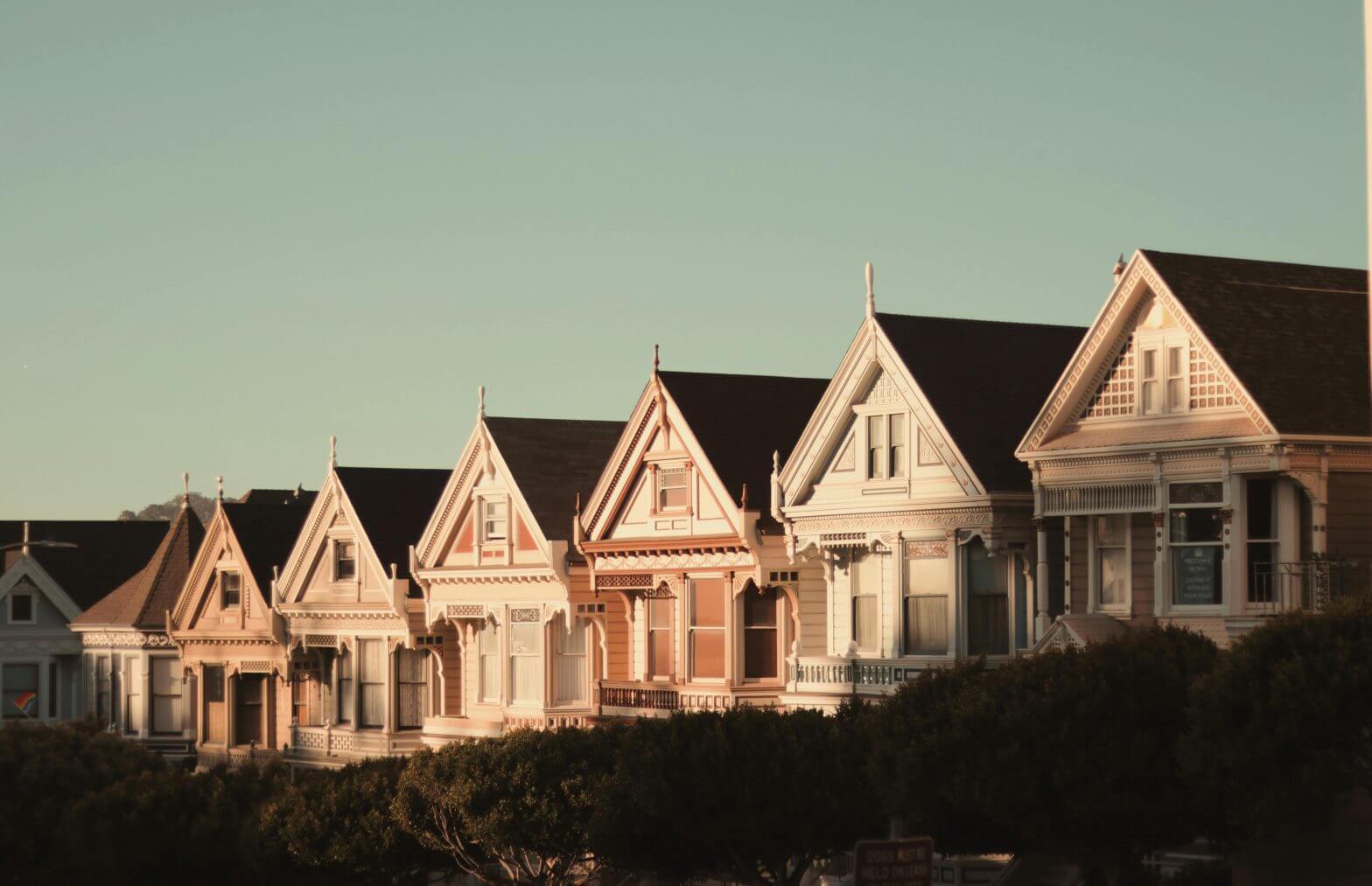
A pitched roof, also known as a sloped roof, has a steep incline that allows water and snow to slide off easily. Pitched roofs are the most common type of roof for residential homes in Westchester and Rockland County.Pros of Pitched Roofs
- Superior Drainage: The steep slope of pitched roofs ensures efficient water and snow runoff, reducing the risk of leaks.
- Longer Lifespan: Pitched roofs are more durable and can last 20-50 years, depending on the material.
- Aesthetic Appeal: Pitched roofs offer a classic, timeless look that complements traditional and modern homes alike.
- Versatile Material Options: Pitched roofs can be made from a variety of materials, including asphalt shingles, metal, slate, and tile.
Cons of Pitched Roofs
- Higher Cost: Pitched roofs require more materials and labor, making them more expensive to install.
- Limited Usable Space: The steep slope of pitched roofs makes them unsuitable for additional functional space.
- Maintenance Challenges: Inspecting and repairing a pitched roof can be more difficult and dangerous due to its height and angle.
Key Factors to Consider
When deciding between a flat and pitched roof, consider the following factors:1. Climate
- Flat Roofs: Better suited for areas with mild weather. In regions with heavy rain or snow, proper drainage systems are essential.
- Pitched Roofs: Ideal for areas with harsh weather conditions, as they provide better protection against rain, snow, and wind.
2. Budget
- Flat Roofs: More affordable upfront but may require more frequent maintenance and repairs.
- Pitched Roofs: Higher initial cost but longer lifespan and lower maintenance costs over time.
3. Aesthetic Preferences
- Flat Roofs: Perfect for modern, minimalist designs.
- Pitched Roofs: Great for traditional or classic architectural styles.
4. Functionality
- Flat Roofs: Offer additional usable space for utilities or recreational areas.
- Pitched Roofs: Provide attic space for storage or insulation but no additional functional space.
5. Maintenance
- Flat Roofs: Easier to access but require regular inspections to prevent water pooling.
- Pitched Roofs: Harder to access but generally require less frequent maintenance.
