


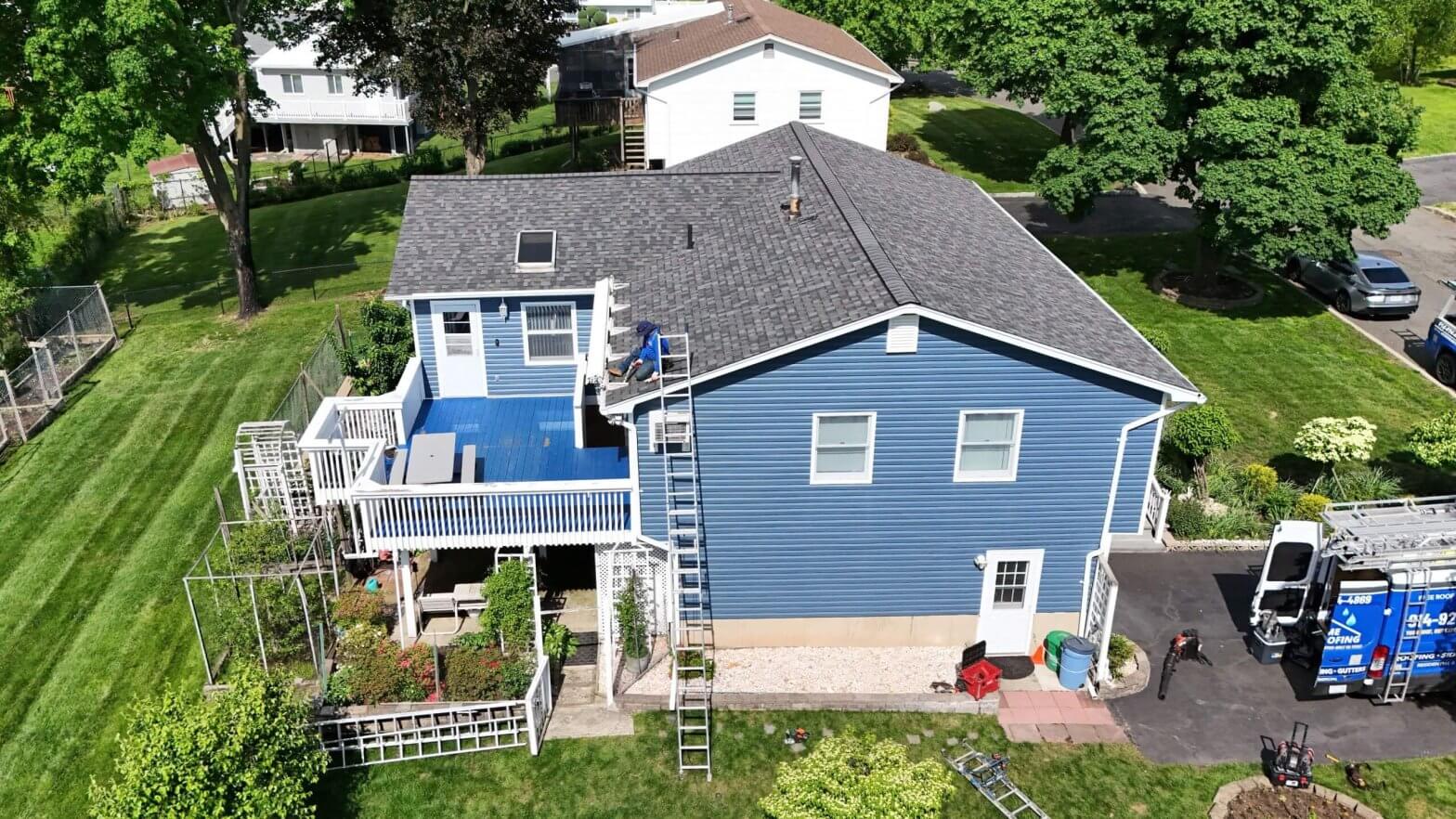
Wondering how long does vinyl siding last? On average, vinyl siding will last 30 to 40 years, depending on factors like maintenance, weather exposure, and material quality. In this blog, we’ll explain the average lifespan of vinyl siding, the signs it needs replacement, and tips to extend its durability—especially for homes in Westchester County. You’ll also learn how vinyl compares with other siding types and whether you should repair or replace damaged panels.
What Is the Lifespan of Vinyl Siding?
Vinyl siding is a popular choice for homeowners in Westchester County due to its affordability, low maintenance, and long-lasting durability. But one question many homeowners ask is, how long does vinyl siding last? On average, vinyl siding lasts between 30 to 40 years. However, this number can vary depending on the quality of the installation, regular maintenance, and local climate conditions. In areas like Westchester County, where winters can be harsh and summers humid, the lifespan of vinyl siding in years may slightly fluctuate. Still, with proper care, your vinyl siding can look and function like new for decades.When to Replace Vinyl Siding
Despite its durability, vinyl siding won’t last forever. Even the best siding materials can begin to wear down with time. Knowing how long vinyl siding stays good depends on recognizing the signs of aging or damage. In many cases, homeowners may start to notice issues around the 20 to 30-year mark. However, severe weather, improper installation, or lack of maintenance can shorten this timeline.5 Signs Vinyl Siding Needs to Be Replaced
Keeping an eye on your siding can help you address issues before they lead to major home repairs. Here are five clear signs that it’s time to replace your vinyl siding:Rot
While vinyl itself doesn’t rot, it can trap moisture behind the panels if not properly installed. This hidden moisture can cause the underlying structure to decay, creating serious long-term problems. If you notice soft spots or moldy odors near your siding, it may be time for a full replacement.Holes
Holes in siding, whether from weather damage or pest activity, compromise your home’s protection. Small holes allow water and insects inside, which can lead to further structural issues and increased repair costs. Any visible damage should be inspected promptly.Fading
UV rays can break down the color in vinyl over time. While fading doesn’t immediately affect functionality, it’s a clear indicator that your siding is aging. Severely faded panels may also become more brittle, shortening the vinyl siding durability you once counted on.Warped or Broken Boards
Warping and cracking are common in older vinyl siding. If you notice uneven panels or siding that pulls away from the wall, it can no longer perform its insulating and protective duties effectively. This is one of the most obvious signs that your siding needs attention.Increased Utility Bills
One overlooked sign of failing siding is a sudden spike in heating or cooling costs. When vinyl siding deteriorates or separates from the wall, it allows air leaks that reduce your home’s energy efficiency. If your energy bills are creeping up, it might be due to poor siding insulation. For professional siding solutions, check out our Siding Services in Westchester County to maintain or upgrade your exterior.Repairing vs. Replacing Vinyl Siding
When dealing with siding issues, many homeowners wonder whether they should repair or replace their vinyl siding. Minor cracks, small holes, or isolated fading can often be repaired. This approach is cost-effective and maintains the appearance of your home. However, if more than 25% of your siding is damaged—or if issues like moisture, mold, or insulation problems exist—it’s usually more practical to replace it entirely. A full replacement ensures consistency in color, better insulation, and a boost in curb appeal. Need help deciding the best course of action? Our expert siding contractors in Westchester County can evaluate your home and recommend the best solution.Lifespan of Other Siding Types
If you're comparing siding options, it helps to know how the average lifespan of vinyl siding compares with other materials commonly used in Westchester County homes.
- Wood siding: Typically lasts 20 to 30 years, but only with consistent maintenance like repainting and sealing.
- Fiber cement siding: Can last up to 50 years or more. Tough, fire-resistant, but heavier and costlier.
- Aluminum siding: Lasts 20 to 40 years, but prone to dents and fading.
- Stucco siding: Lifespan of 50 to 80 years, but can crack in colder climates without maintenance.
- Engineered wood siding: Lasts 30 to 50 years, durable and visually similar to wood.
Compared to these options, vinyl siding offers a solid balance of affordability, low maintenance, and a dependable 30 to 40-year lifespan, making it a strong choice for many Westchester County homeowners.
How to Make Vinyl Siding Last Longer
Extending the lifespan of vinyl siding in years depends on regular care. Here are some tips to help your siding last as long as possible:
- Cleaning Vinyl Siding for Durability: Clean your siding at least once a year using a soft brush and mild soap solution to remove dirt, mold, and mildew.
- Inspect Annually: Check for cracks, loose panels, or water damage every year.
- Trim Trees and Bushes: Prevent branches from scratching or damaging your siding.
- Seal Gaps and Edges: Ensure all seams and edges are sealed to keep out moisture.
- Avoid Harsh Chemicals: Don’t use bleach or abrasive cleaners that may damage vinyl.
What Affects Vinyl Siding Life?
Several factors influence how long vinyl siding can last, including:
- Climate: Extreme temperatures and moisture levels can accelerate wear.
- Installation Quality: Proper installation prevents water intrusion and sagging.
- Maintenance Habits: Regular cleaning and timely repairs can add years to lifespan.
- UV Exposure: Direct sunlight may cause fading and brittleness.
How Weather Impacts Vinyl Siding
In Westchester County, vinyl siding must endure snow, rain, and high humidity. These conditions can cause panels to expand and contract, which may lead to warping over time. Cold snaps followed by warm periods can further stress the material. That’s why choosing professional siding services from a trusted local contractor like On Time Roofing is so important for long-term results.Final Thoughts
Understanding how long vinyl siding lasts and recognizing when it's time to repair or replace it is key to protecting your home’s structure and appearance. In Westchester County, weather can play a big role in vinyl siding durability, making it essential to choose a trusted professional for installation and maintenance. For long-lasting siding solutions, expert installation, and top-tier materials, trust On Time Roofing your go-to source for home improvement in Westchester County.Frequently Asked Questions
- 1. How long does vinyl siding last in Westchester County?
Vinyl siding typically lasts 30 to 40 years in Westchester County, depending on weather exposure, installation quality, and regular maintenance. - 2. Can vinyl siding be repaired instead of replaced?
Yes, minor issues like cracks or small holes can often be repaired. However, widespread damage or fading may require a full replacement for long-term benefits. - 3. Does cleaning help vinyl siding last longer?
Absolutely. Regular cleaning removes dirt and mold, helping to maintain the siding's appearance and structural integrity over time. - 4. What’s the average cost to replace vinyl siding? Costs vary based on home size and material quality, but Westchester County homeowners typically spend between $6,000 to $14,000 for full replacement.
- 5. Does vinyl siding increase home value?
Yes. New vinyl siding enhances curb appeal, improves energy efficiency, and may offer a good return on investment when selling your home.
