


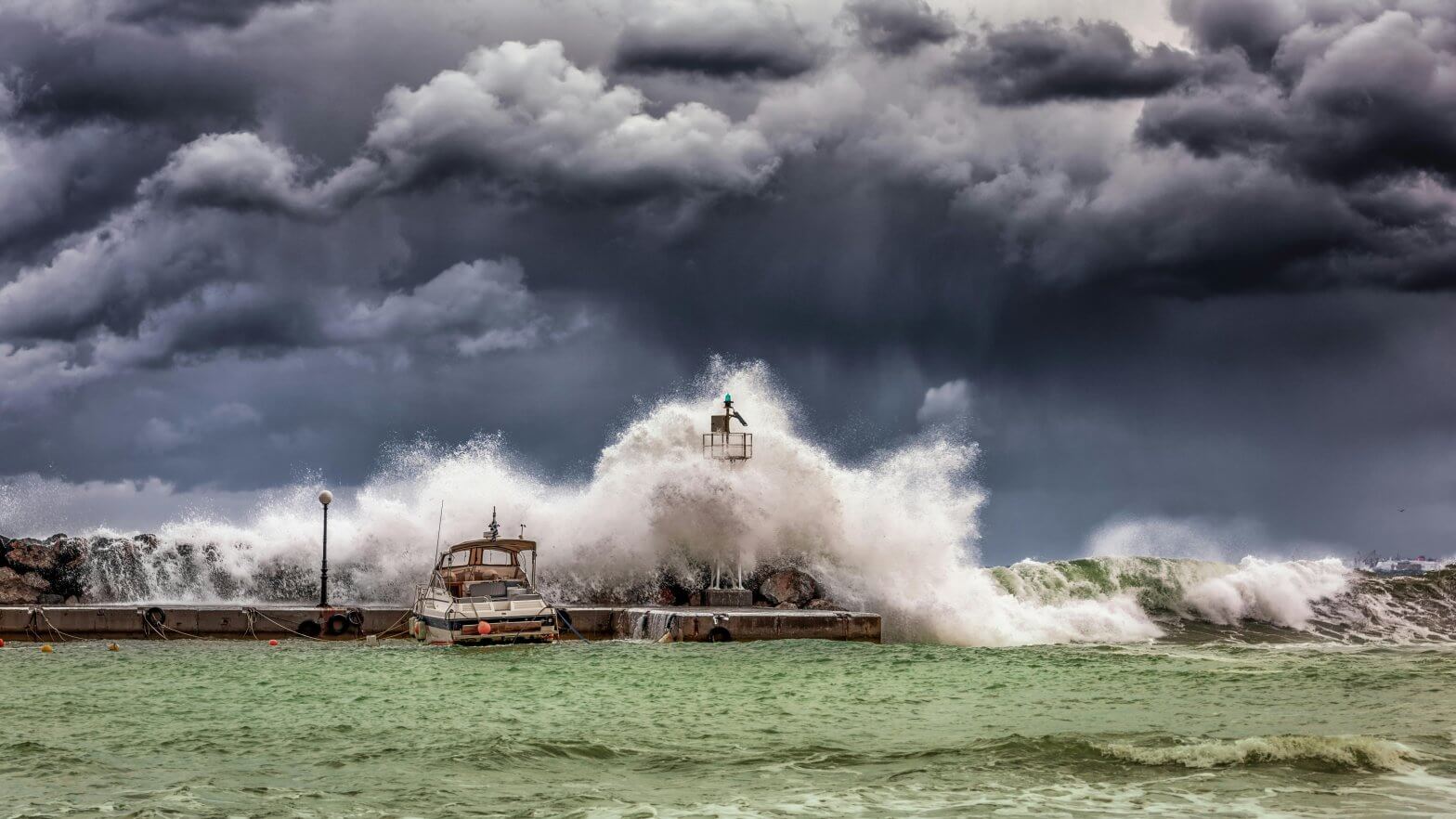
Preparing your roof for hurricane season is essential to safeguard your home and business against storms, wind, and water damage. This guide on how to prep your roof for hurricane season highlights proven strategies for Westchester County and Rockland County residents to reinforce their roofing systems. Learn effective inspection routines, debris removal, repairs, and protective measures that can fortify your roof and minimize hurricane-related risks—all while using the latest materials and expert support. By following these recommendations, you can help ensure your property's safety and resilience through hurricane season.
Introduction
Hurricane season brings powerful winds, torrential rain, and flying debris that can challenge even the most robust roofing systems. The roof acts as the first barrier against nature’s fury, making proactive preparation vital for property owners in Westchester and Rockland County. Whether your building is commercial or residential, following targeted hurricane-proofing steps can make the difference between weathering a storm and suffering costly damage.
Why Hurricane Roof Prep Matters
Ignoring roof maintenance before hurricane season can leave your property open to leaks, structural problems, and extensive repairs. In the Tri-State area, hurricanes and strong storms often test home safety, making roof preparedness a necessity—not just a precaution. A prepared roof not only protects your family and belongings but also preserves property value and reduces community-wide risks associated with storm debris and emergency repairs.
Schedule a Professional Roof Inspection
Before hurricane season arrives, a thorough roof inspection is a must. Roofing professionals will check for:
- Loose, cracked, or missing shingles
- Damaged flashing around chimneys, vents, and skylights
- Soft spots or signs of water damage
- Issues in the attic and insulation
Inspections help spot vulnerabilities so you can address them proactively. Choose a trusted roofing contractor in Westchester County or Rockland County with hurricane-season experience and proper certifications.
Address Repairs and Reinforcements
Small roof problems can turn catastrophic during a hurricane. Responsive repair and strengthening measures include:
- Replacing broken or missing shingles
- Fixing loose flashing and sealing all penetration points
- Repairing leaks and addressing underlayment concerns
- Adding hurricane straps or reinforced fasteners to disperse wind pressure from the roof to the foundation
Older roofs may lack advanced bracing or metal connectors, so consult with local experts about retrofitting these crucial protections.
👉 If you want to get your home winter-ready, read: How to Prepare Your Home for Winters
Upgrade Roofing Materials
Modern hurricane-resistant roof materials, such as impact-rated shingles or metal roofing, offer enhanced defense against wind and rain. Consider upgrades such as:
- Wind-rated shingles
- Improved roof decking and fastening systems
- Secondary water barriers
- Durable flashing and sealants
These improvements often yield insurance benefits and long-term savings.
Clean Gutters and Downspouts
Clogged gutters and downspouts create structural risks in heavy storms. Water backing up onto the roof can lead to leaks and rot. Prepare by:
- Clearing all debris, leaves, and sediment
- Securing gutter and downspout attachments
- Ensuring smooth water flow and drainage
Find professional help for roof repair in Westchester NY or Rockland County to secure vulnerable drainage sections.
Trim Trees and Clear Surroundings
Branches and trees near your home threaten roof integrity during storms. Prevent damage by:
- Trimming back limbs within 6-10ft of your roof
- Removing dead trees and weak branches
- Monitoring for overhangs close to roof edges
Reduce debris around your property to limit the risk of windblown objects hitting your roof.
Secure Roof Accessories and Equipment
Roofs often support HVAC units, solar panels, and antennas—all requiring extra care before hurricane season:
- Ensure secure mounting with weather-rated brackets
- Inspect seals and flashing around equipment
- Schedule maintenance for rooftop accessories
Storm-Proof Skylights, Vents, and Chimneys
Skylights and chimneys are vulnerable to water and wind infiltration. Protect these features by:
- Covering skylights with plywood or metal caps before storms
- Sealing and inspecting all vent and chimney flashing
- Installing storm guards where appropriate
Prepare Emergency Roof Supplies
Have emergency materials ready for quick action after a hurricane:
- Industrial-grade tarps for temporary roof coverage
- Roofing adhesive and waterproof sealants
- Plywood sheets for patching
Quick fixes help prevent further water damage until permanent repairs are completed.
Review Insurance and Documentation
Regularly check your homeowner’s insurance for storm-related roof coverage. Take these steps:
- Review your policy for hurricane-related exclusions
- Document your roof’s condition with photos
- Preserve inspection and maintenance records for claims
Clear records simplify insurance processes following damage.
Implement a Preventive Maintenance Plan
Routine roof maintenance throughout the year lessens the burden of emergency hurricane preparation. Keep records of:
- Scheduled inspections
- Routine repairs and upgrades
- Gutter cleaning and landscaping
A preventive approach builds long-term resilience and cost savings.
Local Considerations for Westchester and Rockland County
Regional climate factors influence hurricane preparation steps. In Westchester County, fluctuating temperatures and high wind risks require specialized materials. Regular inspections and water-resistant upgrades keep roofs intact through varied weather patterns. Rockland County residents face similar climate pressures and benefit from strong shingles and professional maintenance.
For tailored solutions in Rockland, check roofing services for Rockland County.
Signs Your Roof Needs Immediate Attention
Before the storm season starts, look out for:
- Interior water stains on ceilings
- Sagging or uneven roof lines
- Musty odors and mold signs
- Missing or damaged shingles and flashing
Address these issues right away with professional help.
Safety Tips for DIY Preparation
- Use stable ladders and proper footwear
- Never work on a wet or windy roof
- Employ safety harnesses for protection
- Avoid overstretching—call experts for challenging tasks
👉 If you think your roof might be in trouble, read: Roof Warning Signs Every Homeowner Should Know
When to Call the Experts
Some preparation steps require licensed professional support:
- Full roof inspections and repairs
- Installation of hurricane straps and impact-rated materials
- Emergency fixes during or after a storm
Rely on local, certified roofing contractors for guaranteed work and long-lasting performance.
Conclusion
Proactive preparation for hurricane season gives homeowners and businesses security and confidence. By scheduling inspections, performing essential repairs, cleaning gutters, and reinforcing roof structures, you’re investing in your property’s safety and resilience. Don’t wait until the next storm hits—protect your investment and keep your roof strong with trusted local support.
For reliable, certified roofing services in Westchester and Rockland County, connect with On Time Roofing, your partner in storm safety and roof care.
FAQs
1. What are the first steps to prep a roof for hurricane season?
Start with a professional inspection to spot weak points or damage, then complete repairs and reinforce materials where needed.
2. How often should I inspect my roof during hurricane season?
Schedule inspections before the season starts and after major storms. Routine checks between storms help maintain strength and coverage.
3. What roof upgrades help in hurricane-prone areas?
Install wind-resistant shingles, enhanced fastening systems, and secondary water barriers. Metal roofs and hurricane straps provide added strength.
4. Why is gutter cleaning important before hurricane season?
Clean gutters allow water to flow away from your roof, preventing backup, leaks, and foundation problems during heavy rain.
5. Can I prep my roof for hurricanes myself?
Basic tasks like cleaning gutters and trimming trees are manageable, but inspections, repairs, and reinforcements should be handled by certified professionals to guarantee safety and effectiveness.
