


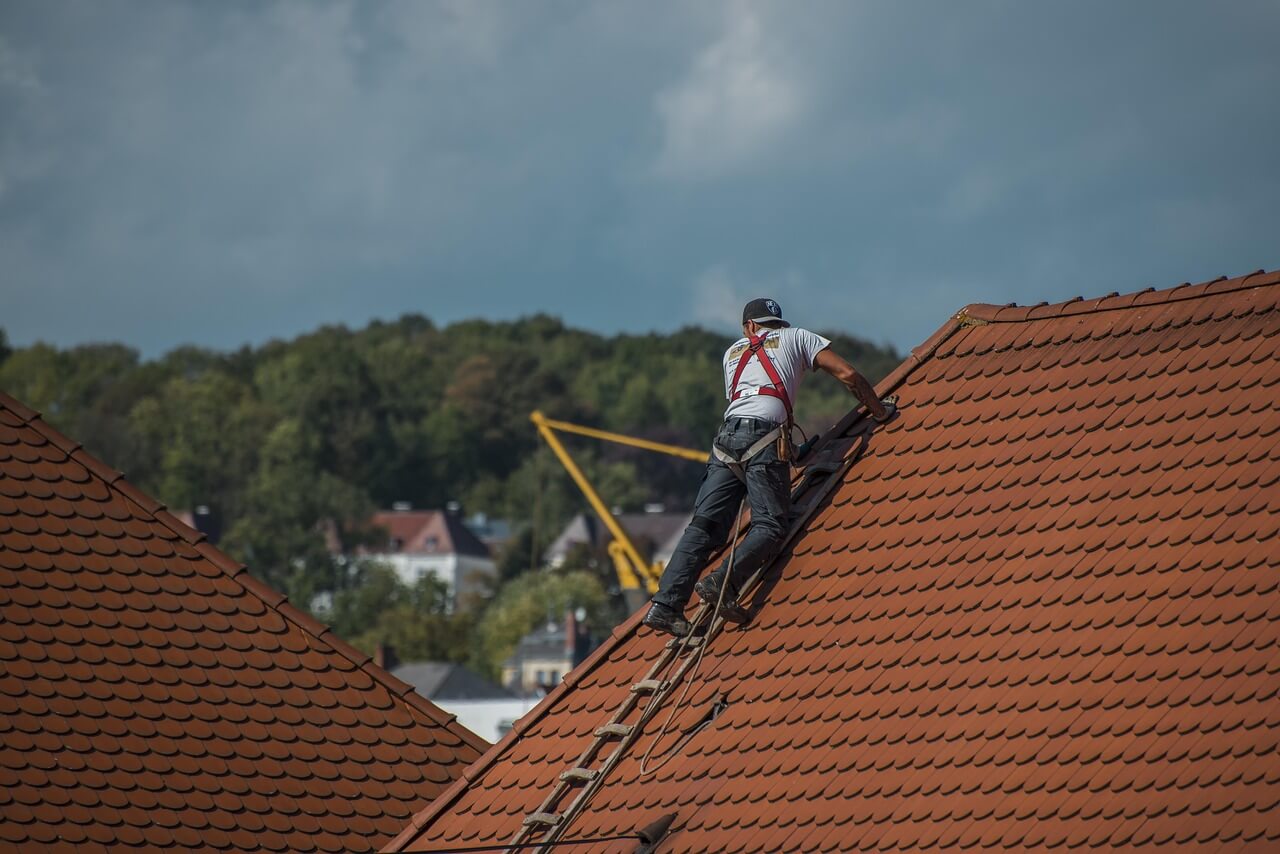
Roof cleaning is essential to extend lifespan, improve curb appeal, and prevent leaks, but it must be done correctly to avoid accidents or damage. In this guide on the do’s and don’ts of DIY roof cleaning, we’ll highlight safe practices, common mistakes, and expert tips for maintaining your roof. From choosing the right cleaning solutions to avoiding high-pressure washing, these steps help homeowners in New York keep their roofing systems in good condition. Whether you own asphalt shingles, slate, or metal, following the right approach ensures effective roof cleaning without costly repairs.
What Are Do’s and Don’ts In Roof Cleaning?
A clean roof not only looks better but also functions more effectively. Algae, moss, dirt, and debris can shorten a roof’s lifespan, trap moisture, and increase the risk of leaks. Many homeowners attempt DIY roof cleaning to save money, but without proper techniques, this can cause more harm than good.
Roof cleaning requires caution because rooftops are slippery, steep, and easily damaged. Using incorrect tools or chemicals can strip protective layers, weakening shingles and inviting leaks. By understanding the do’s and don’ts of DIY roof cleaning, you can work safely, protect your roof, and know when to call professionals.
The Importance of Roof Cleaning
A neglected roof becomes vulnerable to damage over time. Regular cleaning provides several benefits:
- Prevents moss and mold growth that damages shingles.
- Keeps gutters free from leaves and debris.
- Improves energy efficiency by maintaining reflective surfaces.
- Protects home value and curb appeal.
- Extends the lifespan of roofing materials.
Homeowners in New York benefit from professional inspections offered by trusted roofing contractors in Westchester County, ensuring roofs receive the right balance of cleaning and maintenance.
Do’s of DIY Roof Cleaning
Following the right steps keeps your roof in good shape while limiting safety hazards.
Do Use Safety Precautions
- Wear slip-resistant shoes and a safety harness.
- Never work alone; always have someone nearby.
- Use a stable ladder with a spotter holding it in place.
Do Choose the Right Cleaning Solutions
- Opt for low-toxicity cleaning agents designed for roofs.
- Avoid harsh bleach unless strongly diluted (it can dry out shingles).
- Biodegradable cleaners are best for preventing environmental damage.
Do Clean on Cool, Overcast Days
Direct sunlight causes cleaning solutions to evaporate quickly, reducing effectiveness. Early mornings or cloudy days provide ideal cleaning conditions.
Do Protect Landscaping
Cover shrubs, flowers, and grass around your home with tarps to shield them from runoff.
Do Work From the Top Down
Start spraying or rinsing at the highest point of your roof and work downward. This prevents water from getting under shingles.
Don’ts of DIY Roof Cleaning
Many DIY attempts go wrong because people ignore these basic warnings:
Don’t Use a Pressure Washer
- High water pressure strips protective granules from shingles.
- Forces water into gaps, causing leaks.
- Voids roofing warranties by damaging surface integrity.
Don’t Ignore Safety Risks
Never walk on steep or slippery roofs if you feel unsteady. Falls are one of the most common homeowner accidents during roof cleaning.
Don’t Use Abrasive Tools
Avoid wire brushes or scrapers that scratch shingles, tiles, or metal coatings.
Don’t Overuse Harsh Chemicals
Undiluted bleach or industrial detergents weaken shingles and corrode gutters.
Don’t Forget Gutters and Downspouts
Cleaning the roof but ignoring gutters leaves trapped debris that encourages future buildup. Seasonal gutter cleaning ensures complete system performance.
Seasonal Considerations for Roof Cleaning in New York
New York weather plays a significant role in roof maintenance.
Spring
- Best time for cleaning after winter storms.
- Removes moss, algae, and salt buildup from snow melt.
Summer
- Ideal for minor cleanings, but avoid peak midday sun.
- Inspect for storm or wind damage.
Fall
- Essential for clearing leaves before winter.
- Prevents clogged gutters that create ice dams.
Winter
- Avoid roof cleaning during freezing conditions.
- Schedule professional inspections instead of DIY attempts.
If you notice leaks during rainy months, scheduling prompt roof repair in Westchester NY keeps small problems from escalating.
How DIY Roof Cleaning Differs for Roofing Materials
Every roofing type reacts differently to cleaning.
Asphalt Shingles
- Use soft wash methods with low-pressure sprayers.
- Avoid scrubbing or scraping granules off shingles.
Metal Roofs
- Use gentle, pH-neutral cleaners to avoid corrosion.
- Rinse thoroughly to prevent residue streaking.
Slate or Tile Roofs
- More fragile; avoid walking directly on these surfaces.
- Best left to professionals due to weight and brittleness.
For homes with slate roofing in Rockland County, professional inspections from reliable roofing contractors in Rockland County help ensure repair and cleaning are done without risking damage.
Maintenance Tips to Keep Roofs Cleaner Longer
- Trim overhanging branches to reduce leaf buildup.
- Clear gutters at least twice a year.
- Install zinc or copper strips to prevent algae and moss growth.
- Schedule annual professional inspections in spring or fall.
When to Call a Professional Instead
While DIY cleaning has its place, some situations demand expert assistance:
- Steep or multi-story roofs that pose high fall risks.
- Extensive moss, algae, or mold colonies that require treatments.
- Fragile or premium materials like slate, tile, or cedar shakes.
- Persistent water stains inside your attic or ceilings.
Expert cleaners combine safety equipment with proper low-pressure washing systems, preserving roof health while ensuring long-lasting results.
Conclusion
DIY roof cleaning can save money and maintain curb appeal, but it must be approached with caution. The do’s and don’ts of DIY roof cleaning provide a guide to safe and effective practices for New York homeowners. Always prioritize safety, use proper cleaning solutions, protect landscaping, and avoid high-pressure washing.
If roof cleaning reveals deeper issues like leaks, damaged shingles, or sagging, contact the specialists at On Time Roofing for inspections, cleaning, and expert repair services. With years of experience in Westchester County and Rockland County, they ensure your roof remains strong, clean, and durable year-round.
FAQs About Do’s and Don’ts of Roof Cleaning
1. How often should I clean my roof?
Most New York homes benefit from cleaning once every 1–2 years, with seasonal gutter clearing in spring and fall.
2. Is bleach safe for cleaning roofs?
Yes, but only when diluted properly. Strong concentrations can damage shingles and harm nearby landscaping.
3. Can I pressure wash my roof for faster results?
No. Pressure washing damages shingles, strips granules, and shortens roof lifespan.
4. When is the safest time to clean my roof?
Cool, overcast mornings during spring or fall provide the safest and most effective cleaning conditions.
5. Should slate or tile roofs be cleaned by homeowners?
No. Slate and tile are fragile and should only be cleaned by skilled roofing contractors to prevent breakage.
