


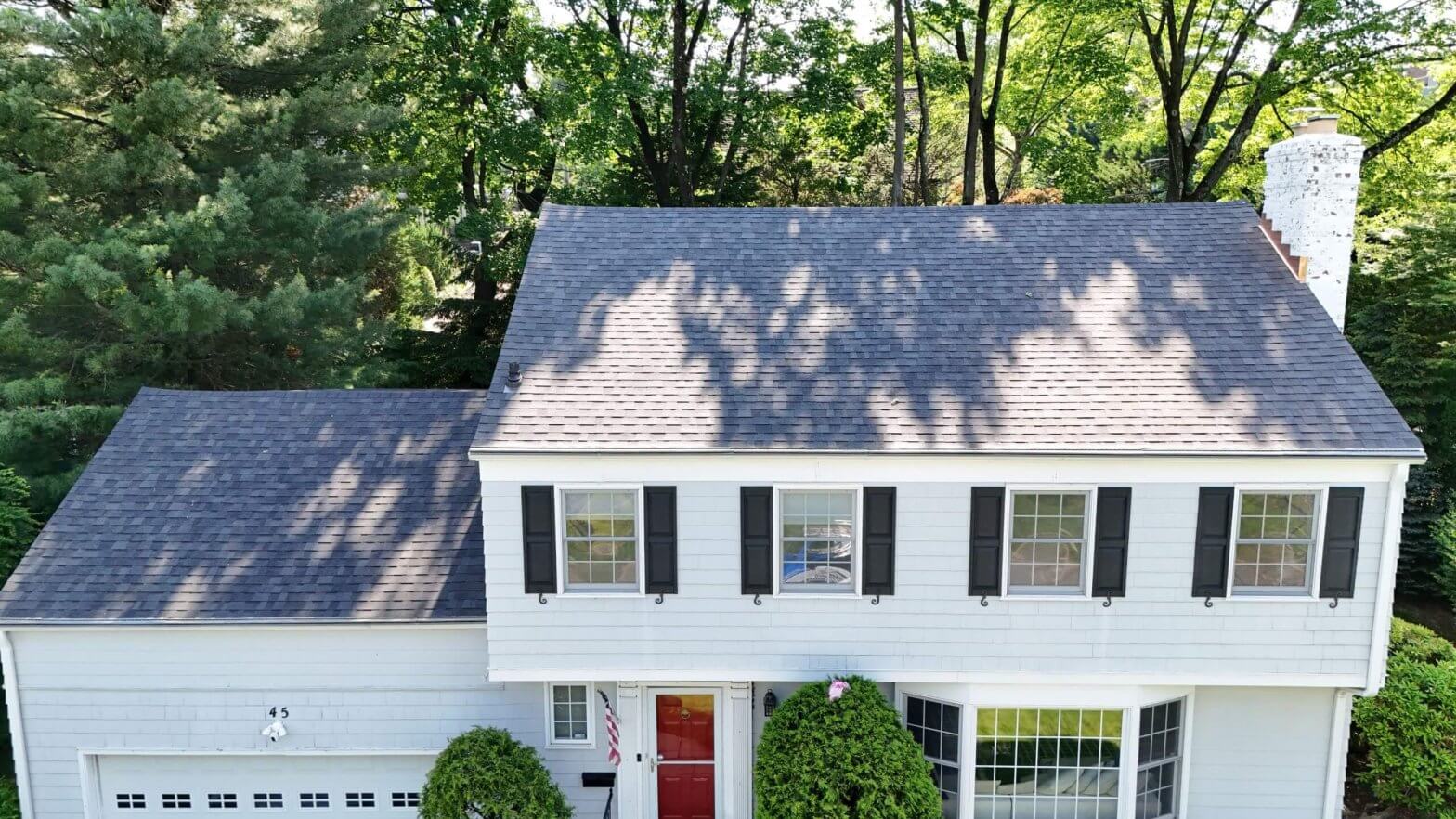
Deciding between a roof replacement vs. repair depends on several key factors such as the age of your roof, the type and extent of damage, energy efficiency needs, and long-term plans. Whether you're facing minor leaks or widespread damage, this guide will help you determine what you need—roof replacement or roof repair. Learn how to evaluate your situation, estimate roof replacement time and cost, and choose the right path forward based on your home's condition and budget.
The Age of the Roof
When Roof Age Becomes a Factor
The age of your roof is one of the most telling indicators of whether you need a repair or a full replacement. Every roofing material has a predictable lifespan. Asphalt shingles typically last 20–25 years, metal roofing systems can endure over 40 years, and high-end materials like tile or slate may last 50 years or more. However, just because a roof is standing doesn't mean it's functioning optimally. As roofing systems age, materials become brittle, fasteners loosen, and waterproofing components degrade. These issues may not be immediately visible but can result in long-term structural concerns.
An older roof is more prone to hidden damage, such as rotted decking, rusted flashing, or deteriorated underlayment. Even if only minor surface damage is visible—like cracked shingles or discolored patches—it may signal a larger problem underneath. In these cases, repeated repairs might serve as temporary fixes, but they won’t resolve underlying degradation.
On the other hand, if your roof is relatively young and the damage is localized, such as a few blown-off shingles or a single leak, a professional roof repair can be a practical, budget-friendly solution. Knowing your roof's installation year and materials used can help you decide whether it’s time to extend the life with repairs or start planning for a full replacement.
The Extent of the Damage
Minor Repairs vs. Structural Problems
Evaluating the scope of the damage is essential in the roof replacement vs. repair decision. Small-scale issues such as a few missing shingles, minor leaks around a vent pipe, or flashing problems at the chimney can typically be addressed with a targeted repair. These are cosmetic or superficial problems that don’t compromise the structural integrity of the roof.
However, more severe issues—like sagging rooflines, widespread water stains in the attic, or rotting plywood decking—are red flags. These signs often point to deeper, systemic issues that repairs alone cannot solve. For instance, moisture trapped under old shingles can lead to mold growth, insulation damage, or even affect the electrical systems in your attic. Attempting to fix these with patchwork will only delay the inevitable and might increase the total repair costs later.
When your roof has extensive water damage or signs of mold, or if over 25% of the roofing area is affected, replacement is usually the safer and more economical option. Not sure how far damage has gone? A detailed inspection from a qualified roofing contractor will help clarify your choices.
The Type of Roof
Material and Design Matter
Your roof’s material and design heavily influence whether repairs will be sufficient or a full replacement is necessary. Each material reacts to environmental exposure and damage in different ways. Asphalt shingles, for example, tend to lose their protective granules over time and are more vulnerable to wind uplift. Once these granules erode, the underlying mat becomes exposed to UV damage and water penetration, often leading to leaks.
In contrast, metal roofs may endure dents from hail but generally remain structurally sound. These dents might be cosmetic and don’t always require replacement. Similarly, flat roofs made from rubber (EPDM) or modified bitumen often suffer from ponding water issues, which can be temporarily repaired but may become recurring if drainage isn't improved.
Roof complexity also plays a role. A steep slope with multiple ridges and valleys is harder and costlier to repair than a simple gable roof. More intricate designs may require replacing entire sections to maintain uniform appearance and integrity.
The roof replacement timeline can vary based on the type of roofing system and structure, so understanding your roof’s material helps estimate project duration and feasibility of repairs.
Urgency
Emergency Repairs or Planned Replacement?
Urgency often determines whether a roof should be repaired immediately or fully replaced at a later, more convenient time. If your roof is leaking during a heavy storm or has suffered visible structural damage from wind or falling branches, emergency repair is the first course of action. These urgent interventions prevent further water intrusion and protect your interior furnishings, ceilings, and insulation from damage.
However, once the immediate threat is under control, you should consider whether a repair will be a temporary fix or if it’s more logical to plan a full replacement. Scheduling a replacement during a dry season or mild weather window gives you more flexibility in choosing materials, roofing contractors, and budgeting. Planning ahead can also help minimize disruption and ensure higher-quality installation.
Emergency roof repair might solve the problem for now, but only a full assessment can determine if replacement is the right long-term move.
Long-Term Plans
Selling vs. Staying
Your future plans with the property are a major factor in deciding between roof repair services and full replacement. If you’re planning to sell your home within the next one to three years, a repaired roof might be sufficient to pass home inspections and avoid buyer objections. However, if the roof is visibly aged or the repairs are too obvious, potential buyers may request credits or price reductions.
On the flip side, if you’re planning to stay in the home for the next decade or longer, investing in a complete roof replacement ensures long-term performance and peace of mind. A new roof not only increases comfort and structural safety but can also add to the home’s resale value when you do decide to move later.
In weighing what you need: roof replacement or repair, consider your timeline and willingness to revisit the issue again in a few years.
Energy Efficiency
Upgrading for Lower Bills
One often overlooked benefit of a roof replacement is the improvement in energy efficiency. An old or failing roof can allow heat to escape in winter and trap hot air during summer, forcing your HVAC system to work harder. Cracks, missing insulation layers, or compromised ventilation all lead to energy loss.
Modern roofing systems, particularly those with reflective coatings or energy-efficient shingles, help regulate indoor temperatures. A replacement gives you the chance to install proper insulation and improve attic ventilation—features that can reduce energy costs by up to 30% over time.
For homeowners seeing rising utility bills or uneven heating and cooling, the upgrade cost may be justified by long-term savings. Need to plan your investment? Review this detailed roof replacement cost guide for current pricing insights.
Building Codes
Stay Up to Date with Local Requirements
Another often overlooked factor is whether your current roofing system complies with modern building codes. Over the years, building regulations have evolved to improve safety, fire resistance, ventilation, and water drainage. In many jurisdictions, codes now prohibit installing a second layer of shingles or demand a full tear-off when more than a certain percentage of the roof is damaged.
If you attempt to repair a roof that is structurally outdated or non-compliant, you may face penalties during home appraisals or sales. Replacing the roof ensures the entire system meets current regulations, especially if you're replacing decking, ventilation, or flashing systems.
Working with a licensed roofing contractor will ensure your installation is up to code and passes all required inspections.
Budget
Short-Term Fixes vs. Long-Term Investment
Budget constraints often lead homeowners to opt for repairs over a full roof replacement. Repairs are clearly less expensive in the short term, often ranging from $300 to $1,500 depending on the extent of the damage. However, if these repairs become recurring, the total cost over time may exceed what a one-time replacement would have cost.
A roof replacement, while more expensive upfront—usually starting around $7,000 for asphalt and going higher for premium materials—often includes warranties, energy efficiency benefits, and increased home value. If your current roof requires more than two repairs per year or covers more than 25% of the surface, replacement is often the smarter financial decision.
For homeowners facing financial constraints, options like phased roof replacement or financing plans can make the process more manageable. Speak to your contractor about flexible solutions.
Warranties and Insurance
Know What Coverage You Have
Understanding your warranty and insurance coverage is essential before deciding on a roof repair or replacement. Many roofing materials come with manufacturer warranties that range from 20 to 50 years. However, these warranties often require proper maintenance and can be voided by unauthorized or poor-quality repairs.
Additionally, your homeowners’ insurance may cover roof damage caused by storms, hail, or fire—but not damage from neglect or age. Filing an insurance claim could help offset the cost of either a repair or replacement, depending on the circumstances.
Before starting work, always check both your roofing warranty terms and your insurance policy to determine eligibility for coverage.
Visual Signs of Trouble
What You See Matters
Sometimes, your eyes can spot problems before a professional even inspects the roof. Keep an eye out for the following:
- Curling or buckling shingles
- Water stains on ceilings or attic walls
- Missing or loose flashing around chimneys or skylights
- Granules or debris collecting in your gutters
These visual signs are often the earliest warnings of damage that could escalate if left untreated. Regular inspections can help catch issues early before they lead to costly structural problems.
Environmental Factors
Weather and Location
Your home’s climate and environment have a big impact on your roof’s durability. For example, homes in snowy regions face ice dam risks and freeze-thaw cycles that wear out shingles faster. In coastal areas, salt in the air can corrode roofing materials. High humidity zones are prone to moss and mold, while tree-shaded roofs gather debris that holds moisture.
If your home experiences frequent extreme weather or your current roof isn’t designed for your region’s climate, a full replacement with more durable materials might be more economical than repeated seasonal repairs.
Final Thoughts
Choosing between roof replacement vs. repair depends on your roof’s condition, age, materials, and long-term goals. While quick repairs can solve immediate problems, they may not be the most cost-effective solution over time. Full replacement is a larger investment but offers peace of mind, energy savings, and property value increases.
Evaluate your situation, consult with a professional roofing contractor, and think about your timeline, goals, and budget. For more guidance, you can explore options with trusted professionals like On Time Roofing.
FAQs - Roof Replacement Vs Roof Repair
- How do I know if my roof needs replacement or repair?
If your roof is over 20 years old, has widespread damage, or leaks repeatedly, replacement is likely the better option. Small, isolated damage can often be repaired. - What is the average cost difference between roof repair and replacement?
Repairs may cost $300–$1,500, while replacements can range from $7,000–$15,000 or more depending on materials and roof size. - Can I replace just a part of my roof?
Yes, partial replacement is possible, but it may result in color mismatches and uneven wear, making full replacement more practical in many cases. - How long does it take to replace a roof?
Most residential roof replacements take 1 to 3 days. For a better understanding, review this roof replacement timeline. - Is roof repair covered by insurance?
It depends on the cause. Storm or accidental damage may be covered, but normal wear and tear is usually not.
