


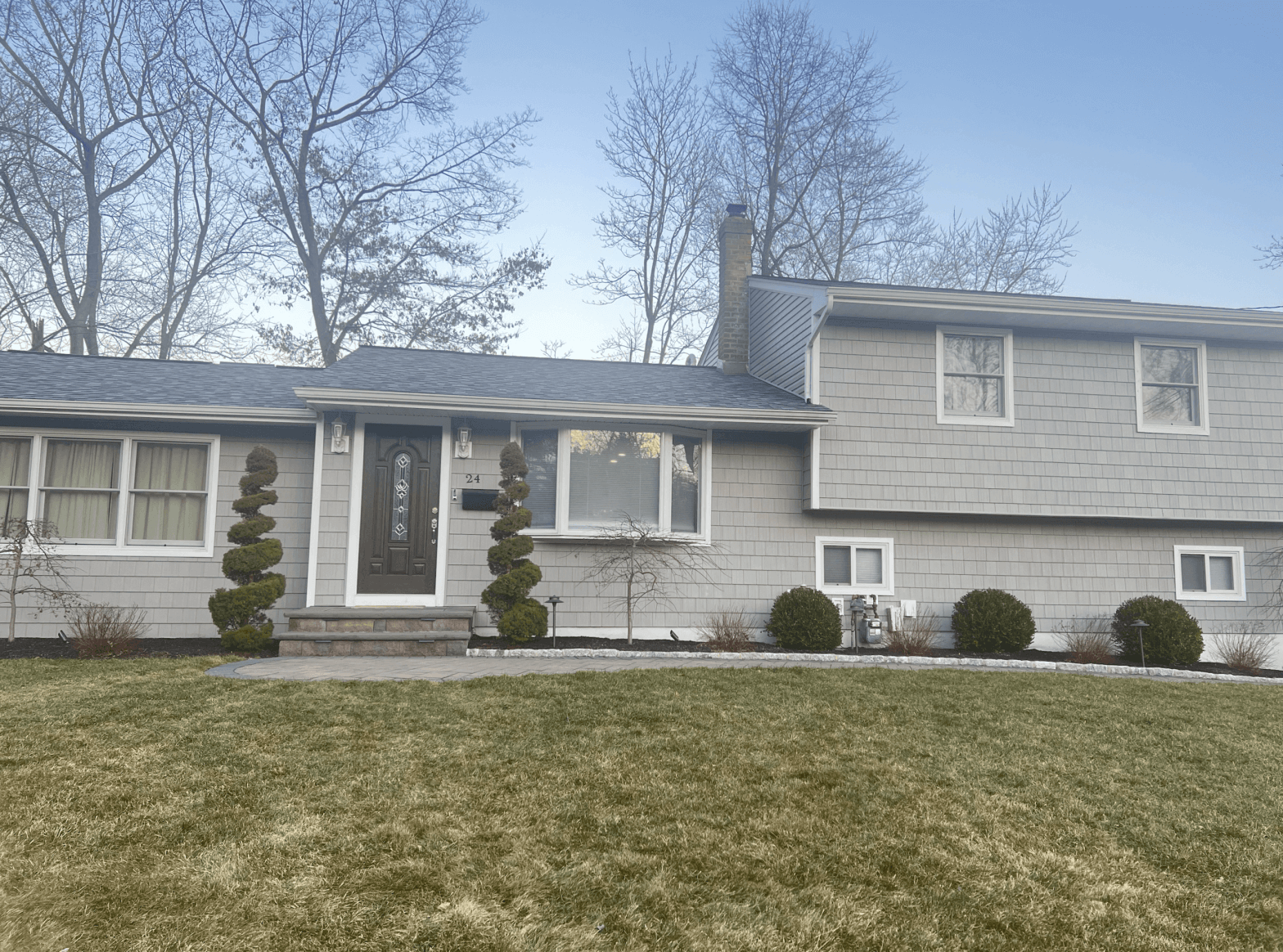
Your home’s siding is more than just aesthetics—it's protection, insulation, and energy efficiency wrapped into one layer. But how do you know when it's time to replace your home’s siding? This blog outlines key signs and questions every homeowner should consider before opting for siding replacement. Whether it’s age, wear, or changing home trends, understanding these factors can help you plan smartly. Read on to find out if your home is sending signals that it’s ready for new siding.
Six Questions Before Thinking About Siding Replacement
1. How Long Has Your Current Siding Been in Place?
The first question any homeowner should ask is about the age of their siding. Most materials, such as vinyl, wood, or fiber cement, have expected lifespans ranging between 20 to 40 years. However, these can vary based on climate conditions and material quality.
If your siding is nearing or has exceeded its life expectancy, it's probably time to replace your home’s siding. Even if it looks decent from afar, old siding may fail to provide adequate insulation or protection against the elements.
Homeowners who keep track of their siding’s installation date are better prepared for preventive siding replacement services before structural damage or high energy bills arise.
2. What Kind of Upkeep and Maintenance Do You Need to Do?
Siding should not feel like a constant repair project. Frequent painting, patching, or resealing are indicators that your siding may no longer be structurally sound. For example:
- Wood siding needs frequent sealing and is prone to rot.
- Vinyl siding may warp, crack, or lose its color with age.
- Aluminum siding can dent easily and lose its finish over time.
If your current siding requires excessive upkeep, it might be more cost-effective to consider siding installation services for a long-term solution. Modern materials often come with improved durability and minimal maintenance needs.
Learn about updated siding options on our siding services page.
3. How Extensive Is Any Damage to Your Siding?
Minor cracks or chips can often be repaired. However, widespread damage like:
- Buckling or warping
- Mold or mildew growth
- Dry rot
- Pest infestation
- Water stains on interior walls
Are these signs of deeper issues. These problems compromise not just the siding but the underlying structure of your home.
When these signs are visible on large portions of your house, siding repair may no longer be sufficient. A professional siding contractor can evaluate whether full replacement is more appropriate, especially to avoid future costs from hidden water or pest damage.
Visit this siding service resource to explore potential fixes and replacements.
4. How Long Do You Plan to Stay in the House?
Your timeline affects your siding decisions. If you’re planning to move in a few years, fresh siding can improve curb appeal and resale value. Real estate agents frequently list new siding as a major selling point that can increase buyer interest and home appraisal.
If you plan to stay long-term, investing in high-quality siding replacement services ensures your home is protected and efficient for decades.
Additionally, energy savings from better insulation will be noticeable over time—something that benefits homeowners more than short-term residents.
5. How Does Your Home Compare to Others in the Neighborhood?
Take a quick look around. Do nearby homes have modern, clean siding while yours appears aged or worn? If so, your property might stand out for the wrong reasons.
New siding can not only help your home fit in visually but also boost its perceived value. Neighborhood standards often influence real estate prices, and staying current with trends in siding installation services can keep your property competitive.
Especially in areas with newer developments, older homes with outdated siding may be overlooked despite their structural integrity.
6. How Does Your Siding Color and Style Reflect Current Trends?
While function comes first, style matters too. Faded colors, outdated textures, or mismatched sections can negatively impact your home’s look.
Today's siding options come in a wide range of colors, styles, and finishes—some even mimic natural wood without the maintenance. You can modernize your exterior while gaining insulation benefits and better weather resistance.
Working with a professional siding contractor ensures you choose styles that suit your home and last for years to come.
Explore versatile style options from trusted roofing and siding professionals.
Additional Signs That Indicate Siding Replacement Is Needed
Rising Energy Bills
Poor insulation from old or damaged siding can lead to increased heating and cooling costs. Drafts near walls or unusually hot or cold rooms are strong indicators your siding isn’t performing properly.
If you've ruled out window leaks and roof issues, the culprit might be deteriorated siding layers. This is a common reason people turn to professional siding replacement services.
Interior Paint or Wallpaper Damage
Moisture getting past your siding can show up inside the home—bubbling paint, peeling wallpaper, or wall discoloration. If you notice this, check the exterior walls for damage and consult a siding installation services provider.
Neglecting this issue can result in mold and rot inside your walls, turning what could’ve been a simple siding project into a larger renovation.
Choosing the Right Contractor for the Job
Whether it’s an aesthetic upgrade or damage control, choosing the right siding contractor is critical. Look for:
- Proper licensing and insurance
- Verified customer reviews
- Clear pricing and material options
- Willingness to inspect both siding and underlying materials
Many companies, including On Time Roofing, offer a combination of roofing service contractor and siding expertise, making it easier to handle multi-surface home renovations in one go.
Final Thoughts
If your siding is showing signs of wear, damage, or style obsolescence, it’s probably time to replace your home’s siding. From rising energy bills to moisture damage or outdated aesthetics, your home's exterior might be signaling a much-needed upgrade.
Siding replacement is an investment in both performance and property value. Whether it’s your first home improvement project or part of a larger renovation, consult with an expert siding contractor or roofing service contractor to explore your best options.
For trusted service backed by experience, you can start by visiting On Time Roofing.
Frequently Asked Questions for Siding Replacement
1. What is the average lifespan of home siding?
The lifespan depends on the material. Vinyl can last 20–30 years, fiber cement about 30–50, and wood around 15–25 with proper maintenance.
2. Can I replace just part of my siding or do I need to do the whole house?
Minor damage can often be patched, but if a large section is affected or the siding is aged, full replacement is typically more cost-effective.
3. How much does siding replacement cost?
Costs vary based on material, size of the home, and labor rates. On average, homeowners can expect to pay between $8,000–$20,000 for full replacement.
4. Will new siding improve my home's energy efficiency?
Yes, especially if the existing siding has deteriorated or lacks insulation. New siding reduces air leaks and helps regulate indoor temperature.
5. Do I need to replace my roof and siding at the same time?
Not always, but it can be beneficial. If both are old or damaged, replacing them together ensures better sealing, alignment, and long-term protection.
