


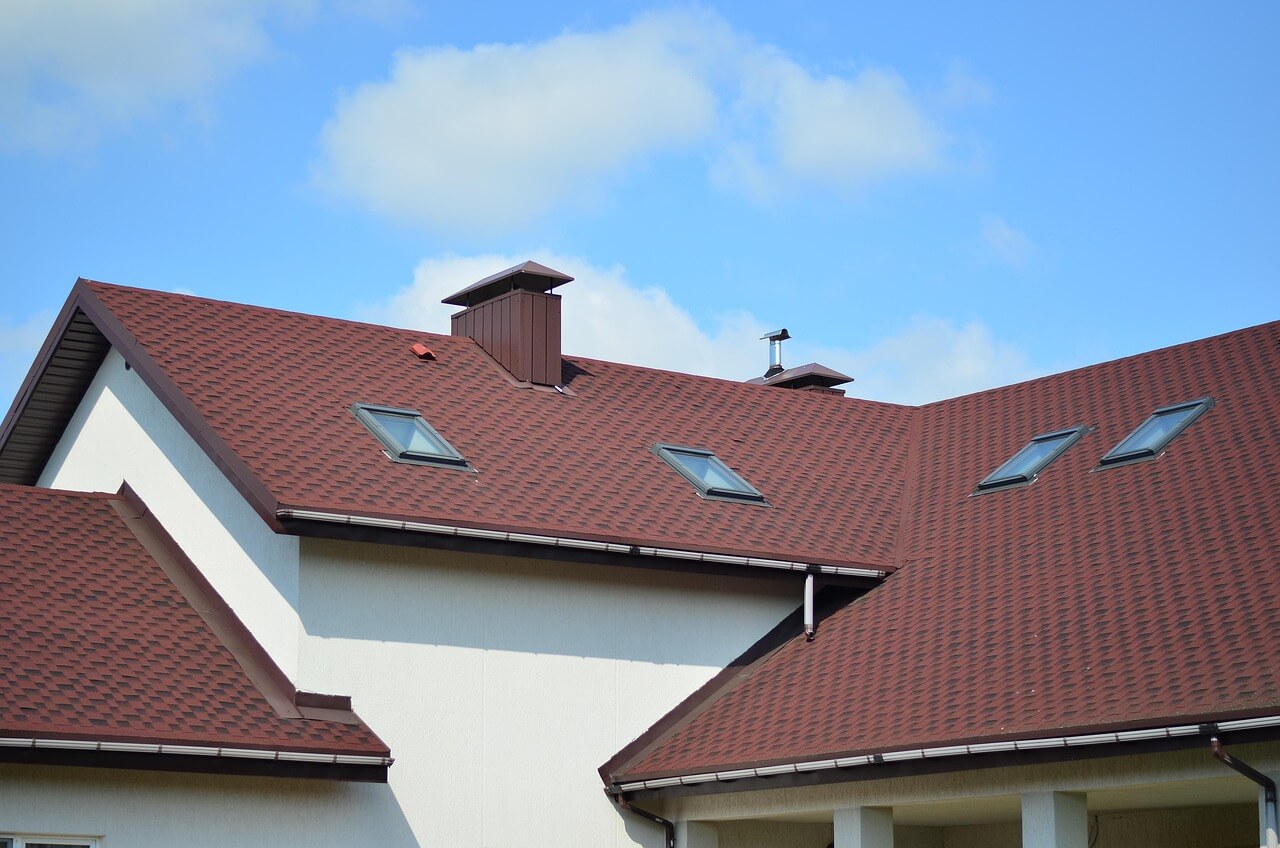
Chimneys are a common culprit behind roof leaks due to their complex structure and the points where they intersect with roofing materials. In this blog, we explain how a chimney can cause roof leaks, signs you may be facing a problem, and practical solutions like choosing the right flashing, regular maintenance, and working with experienced chimney repair contractors. Whether it’s aged flashing, cracked masonry, or poor workmanship, understanding the root causes can help prevent further water damage and expensive repairs. If you're dealing with this issue, fixing a roof leak around a chimney promptly is essential.
Signs of Chimney Leaking Problems
Water Stains and Discoloration
One of the first signs that your chimney may be leaking is water stains on ceilings or walls near the fireplace or chimney area. These stains often appear yellow or brown and are caused by moisture seeping through the roofing system.
Dripping Sounds or Mold Smells
Another noticeable issue is hearing dripping water inside the walls or smelling musty odors in rooms near the chimney. These signs usually indicate moisture has entered areas it shouldn't—leading to mold, rot, or mildew.
Cracked Interior Walls or Peeling Paint
Peeling paint, bubbling plaster, or cracks in the drywall around the chimney can point to persistent leaks. These symptoms suggest the leak has been ongoing and is affecting more than just the exterior roof system.
Causes of Roof Leaks Around Chimneys
Improper Flashing Installation
Flashing is the thin metal sheet that seals the junction between the chimney and the roof. When improperly installed or deteriorated, it becomes one of the most common reasons a chimney causes roof leaks. Gaps, corrosion, or incorrect flashing shapes can allow water to seep in.
Cracked or Damaged Chimney Crown
The chimney crown—the top cement cap that prevents water entry—can crack over time due to weathering. These cracks allow rainwater to penetrate down through the masonry and into the roofing system.
Worn Mortar Joints and Brick Damage
The bricks and mortar used in chimney construction can break down over time, especially under freeze-thaw cycles. Water can seep into these joints and find its way into your attic or ceiling, making chimney repair services necessary before further damage occurs.
Missing or Damaged Chimney Cap
The chimney cap is designed to prevent rain, debris, and animals from entering. If it’s missing or broken, water will flow directly into the flue or overflow to other parts of the roofing system, contributing to significant roof leaks.
For a complete overview of professional chimney services and regular inspections, visit our chimney repair and inspection services.
Select the Right Roof Flashing
Step Flashing vs. Counter Flashing
Different flashing types serve different purposes. Step flashing is typically layered between each row of shingles along the sides of the chimney, while counter flashing is embedded into the chimney masonry to shield the step flashing. Both must be present and properly sealed.
Material Quality Matters
Choosing high-quality materials like aluminum or copper flashing significantly improves longevity and performance. Cheaper materials tend to corrode or warp over time, allowing water to seep underneath.
Improper or low-grade flashing is a major reason why chimney causes roof leaks, especially during heavy rains or snowmelt. Always ask your contractor about flashing materials and techniques.
Maintain Your Roof Flashing
Seasonal Inspections
Flashing around chimneys should be checked at least once or twice a year—especially after winter or major storms. Look for rust, bending, or any separation from the masonry. Damaged flashing can cause water to enter your attic or the space behind your walls.
Sealant and Caulking Checks
Over time, the sealants used around flashing joints can deteriorate. If caulking starts to peel or crack, it's a clear sign that water protection is compromised. Reapplying sealant before it fails completely helps avoid costly repairs.
Consistent inspection and small preventive steps can reduce the chances of needing major work like a full roof replacement due to prolonged water damage. Visit our roofing services for more info on maintenance.
Get a Professional to Do It Right
Why DIY Isn’t Always the Answer
Fixing a roof leak around a chimney may look straightforward but requires specific knowledge about flashing integration, masonry repair, and roof slope behavior. DIY solutions often lead to temporary fixes that may worsen over time.
Work with an Experienced Chimney Contractor
An experienced chimney contractor not only understands chimney structure but also knows how it integrates with your roof. Professionals can identify early warning signs, use the correct flashing methods, and offer long-lasting solutions.
For more about thorough chimney maintenance, review our full guide on why chimney cleaning matters to preserve performance and avoid hidden leaks.
Clean and Sweep Regularly
Keep Debris and Moisture Out
Leaves, twigs, and animal nests in chimneys can block proper ventilation and trap moisture. Regular chimney sweeping keeps your system functional and reduces risks of internal rust, leaks, and deterioration.
A neglected chimney not only affects indoor air quality but also increases the chance of leaks, especially if water gets trapped inside. Combine sweeping with inspections for better performance.
If you're unsure of the current condition of your chimney system, a professional chimney sweeping service can provide detailed feedback and fix potential issues before they escalate.
Know When to Replace Chimney Flashing
Age and Weather Exposure
Roof flashing doesn’t last forever. If your flashing is over 15 years old or has been exposed to frequent freeze-thaw cycles or salty air, it may be time for a replacement. Even the best installations degrade over time and should be reassessed during annual roof inspections.
Signs Replacement is Needed
If you see persistent stains in your attic or rooms below the chimney despite patchwork repairs, flashing replacement is likely the right move. Bubbling shingles around the base of the chimney or rusted flashing are clear signs that a repair won’t be enough.
Preventive Measures to Protect Against Leaks
Install Chimney Cricket or Saddle
For wide chimneys on sloped roofs, water tends to accumulate behind the chimney. A chimney cricket (a small roof structure that diverts water around the chimney) can help redirect water and prevent standing moisture that causes leaks.
Schedule Annual Roof and Chimney Inspections
Combining roof inspections with chimney evaluations allows you to catch small problems before they cause big damage. Ideally, you should inspect before and after winter, when freeze-thaw cycles and heavy snow can stress the roofing system.
Conclusion
Roof leaks around chimneys are common but avoidable. The key is understanding the causes—like aged flashing, missing caps, or worn mortar—and addressing them with the right solutions. Whether through routine inspections, proper flashing materials, or hiring qualified professionals, you can keep your chimney leak-free and extend your roof’s lifespan.
If you need expert help, On Time Roofing offers experienced solutions in both chimney and roofing repair fields to help protect your home from chimney-related leaks.
Frequently Asked Questions
- Q1. Why does my chimney leak only when it rains?
Rain often enters through cracks in the chimney crown, flashing gaps, or missing caps. These areas allow water to enter the home during storms but may remain unnoticed during dry weather. - Q2. Can a cracked chimney cause a roof leak?
Yes, cracks in the chimney crown or mortar joints can let water seep into roofing layers and attic spaces, leading to ceiling stains and structural damage. - Q3. How do you stop water from leaking around a chimney?
Fixing a roof leak around a chimney involves replacing flashing, repairing masonry, sealing joints, and sometimes adding a chimney cricket for water diversion. - Q4. How often should chimney flashing be replaced?
Flashing can last 15–20 years but should be inspected annually. If rusted, separated, or leaking, it’s best to replace it before major damage occurs. - Q5. Is chimney cleaning important for preventing leaks?
Yes. Regular chimney sweeping helps prevent debris buildup and moisture retention, both of which contribute to water damage and internal leaks.
